Code 3 Police Callouts Traffic Stops Guide
Pull over, approach, identify, decide cite or arrest, then clear the road.
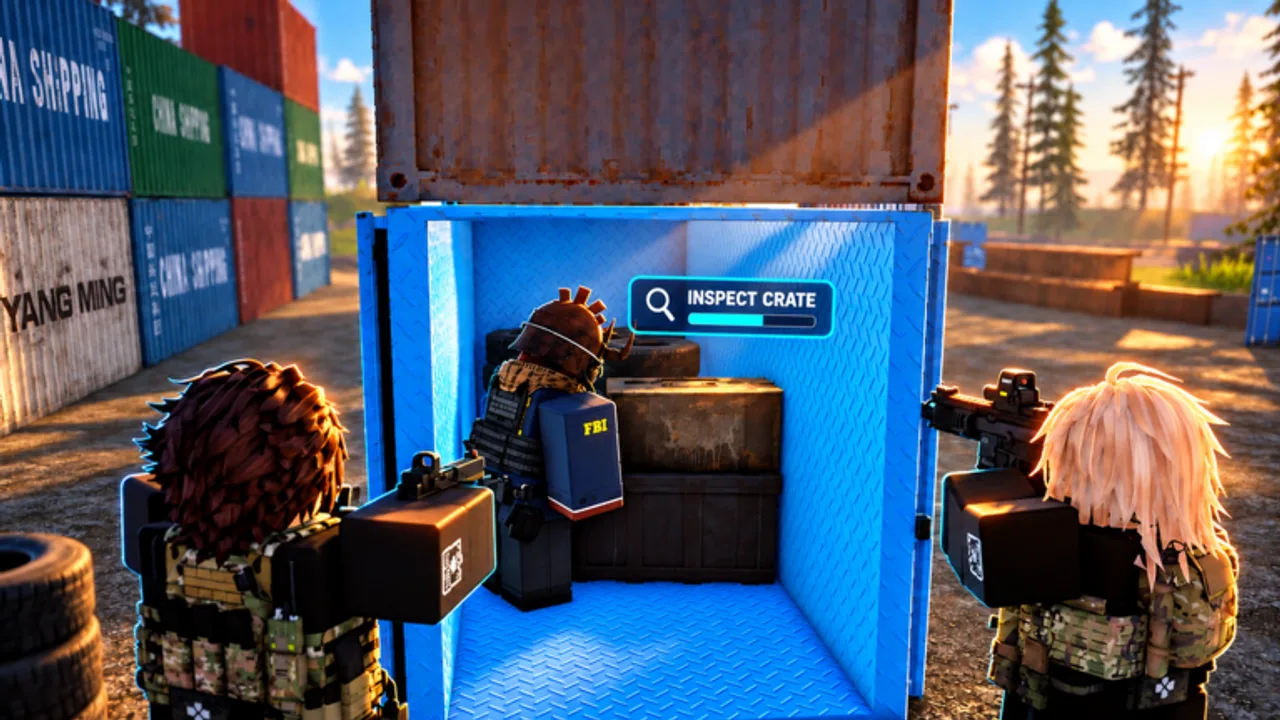
Traffic stops are a core loop in Code 3: Police Callouts. Black Sector Games ships full stop gameplay alongside hand-built callouts, so roadway work is not a minigame you skip — it is how you practice talk → MDT → decision under lower pressure than a robbery. Master stops early and every other scene feels calmer.
This guide covers initiating the stop, vehicle positioning, approach, conversation, ID and warrant checks, cite-versus-arrest choices, and clearing the scene. Pair it with How to Arrest when custody is the outcome, and First Shift for the wider patrol loop.
Why traffic stops matter
- They teach dialogue without gunfire noise.
- They force MDT habits: run ID, read returns, notice warrants.
- They reward vehicle control — lights, sirens, and parking angles.
- They create natural bridges into pursuits or arrests when a driver panics.
- They fit any unit, though marked Police and Sheriff cars make authority obvious; unmarked shines for surveillance-style follows later.
On a 15-player server, clean stops also keep traffic from gridlocking everyone else’s callouts.
Before you light someone up
Ask three questions:
- Do I have a reason? Speeding vibes, traffic hazard callouts, suspicious vehicles tied to a scene, or dispatch tips all count. Random chaos stops teach less than purposeful ones.
- Is the roadway safe enough? Avoid blind curves, active shootouts, or bomb scenes for practice stops.
- Am I free? Do not abandon an accepted high-priority callout mid-objective to freestyle a stop — finish or hand off first.
If dispatch already sent you to a traffic hazard callout, treat the whole scene as stop-adjacent: control the hazard, ID involved drivers, then clear.
Initiating the pull-over
- Get behind the target with enough space to react.
- Activate lights (and sirens if needed) to signal the stop.
- Give the driver a reasonable stretch of road to recognize you and pull over.
- If they flee, decide quickly: pursue with backup, or break off if the risk outweighs the violation. First-week officers should not solo hero a chase into a bomb call someone else is running.
Marked cars communicate intent instantly. Unmarked cars with hidden lighting (especially with the Unmarked Vehicles pass) need clearer light discipline so the stop reads as lawful presence, not random bumping — details on Vehicles and Game Passes.
Positioning your patrol car
Park with purpose:
- Offset slightly to create a safety corridor on the approach side.
- Point the nose so headlights/lightbar illuminate the target vehicle if it is dark or raining (day/night and weather are live systems).
- Leave an exit path; do not trap yourself against a wall.
- On multi-officer stops, second unit covers the opposite angle instead of stacking bumper-to-bumper.
Bad parking is the silent killer of otherwise fine stops — you end up walking through traffic or blocking the only escape lane you needed.
Approach and contact
- Exit when the target vehicle is fully stopped.
- Approach with eyes on hands, mirrors, and cabin movement.
- Start talk interactions immediately — the game wants conversation, not mute cuffing.
- Keep your partner’s cover role in mind if you squaded from Callouts habits.
- Do not reach for cuffs until ID and behavior justify custody.
Tone matters for roleplay servers and for your own clarity: clear commands, one question at a time, then MDT.
MDT: ID, warrants, and context
Open the MDT while you still have control of the stop:
- Run the driver’s ID.
- Read for warrants or flags.
- Cross-check vehicle context if the stop ties to a wider callout.
- Decide only after the return — guessing creates wrongful arrests and failed booking flows.
This is the same MDT muscle you use on street parties and robberies. Traffic is simply the classroom. Full custody steps continue in How to Arrest.
Cite, warn, or arrest?
Use a simple decision tree:
| Situation | Likely action |
|---|---|
| Minor violation, clean ID, cooperative | Warn or cite, then release |
| Hazard caused, still cooperative | Cite, clear hazard, release |
| Active warrant / serious offense | Arrest, cuff, transport, book |
| Armed, violent, or fleeing after stop | Priority shifts to safety → backup → arrest path |
| Stop was a fishing trip with nothing found | Release politely and move on |
Citing everything teaches nothing; arresting everyone breaks immersion and wastes booking time. Match the tool to the return.
When a stop becomes a callout
Sometimes a “simple stop” reveals weapons, multiple suspects, or ties to an undercover sting. Escalate deliberately:
- Call for a squad.
- Reposition cars for cover.
- Switch from traffic posture to callout posture (perimeter, contact, cover).
- If bomb or robbery indicators appear, stop thinking like a ticket writer and start thinking like Callouts.
Clearing the stop
A finished stop leaves the roadway usable:
- Complete cite/arrest UI requirements.
- Release or secure the person correctly.
- Move vehicles out of travel lanes when possible.
- Kill unnecessary lights/sirens so you do not blind the next intersection.
- Go available for dispatch again.
Uncleared stops create ghost traffic and confuse other officers on the 15-player map.
Practice drills for new officers
Run these during a quiet block after Getting Started:
- Three clean stops — talk + MDT + release/cite only.
- One warrant stop — full arrest and booking.
- One night/rain stop — lighting and approach under bad visibility.
- One two-officer stop — assigned Contact and Cover.
Log what felt slow. If MDT navigation is the bottleneck, drill that before chasing SWAT unlocks in Rank Progression.
Loadout notes for roadway work
You rarely need the biggest armory flex on a ticket stop.
- Comfortable sidearm + non-lethal options cover most outcomes.
- Save heavy rifles for callouts that justify them; browse Weapons when you start unlocking depth.
- Vehicle choice beats gun choice here — a stable patrol car with clear lighting outperforms a hypercar you cannot park precisely.
Spend early cash on tools you use every stop, not trophy guns. Redeem GUNZCUSTOMS / GARAGE via Codes when active so roadway practice is not underfunded.
Common traffic-stop mistakes
- Lighting up a car then camping too far back to control the stop.
- Walking centerline between live lanes.
- Skipping talk interactions.
- Cuffing before the MDT return.
- Arresting for flavor with no warrant or offense support.
- Leaving lightbars blinding the road after the stop is over.
- Ignoring a second occupant who becomes the real threat.
Related reading
- Guides Hub — all walkthroughs.
- First Shift — where stops fit in a patrol block.
- How to Arrest — cuff to book.
- Callouts — when roadway work escalates.
- Tier lists for vehicles, weapons, units.
- Updates after driving or MDT patches.
Nail traffic stops and you carry calm authority into every harder scene the game throws at you.
Frequently Asked Questions
Quick answers for patrol, codes, units, and progression.
How do I start a traffic stop in Code 3: Police Callouts?
Get behind the vehicle, activate your lights to signal the pull-over, wait for them to stop in a safe spot, then approach and use talk interactions before any cuffs.
Should I check the MDT on every stop?
Yes. Run ID and look for warrants before you decide to cite, warn, or arrest. Skipping MDT causes bad custody calls.
When should I arrest instead of cite?
Arrest when warrants or serious offenses support custody, or when violence and flight make release unsafe. Minor, cooperative violations are usually warn/cite territory.
Are unmarked cars good for traffic stops?
They work, especially later for discreet follows, but marked patrol cars are clearer trainers for new officers learning light and approach discipline.
What if the driver flees?
Decide quickly whether to pursue with backup or break off. Do not abandon a more critical active callout just to chase a minor violation alone.