Code 3 Police Callouts Callouts & Code 3 Response
Hand-built scenes, priorities, and how squads clear them together.
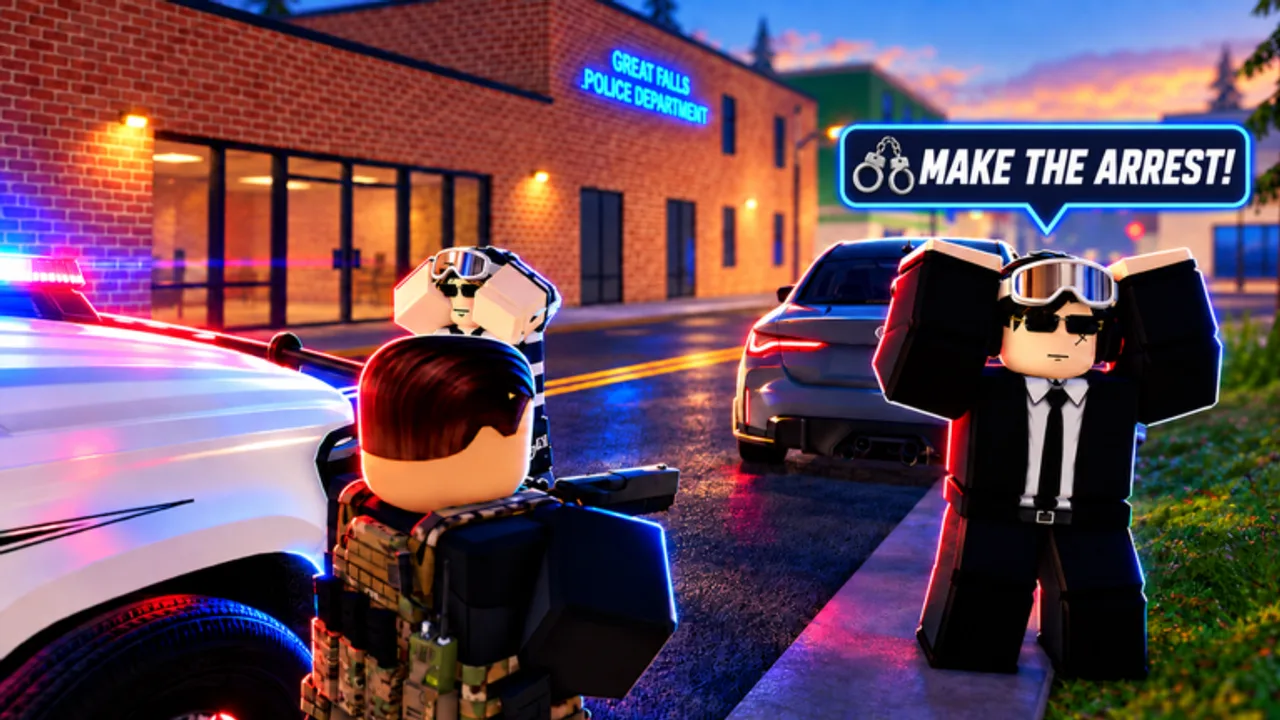
Callouts are the heart of Code 3: Police Callouts. Instead of endless copy-paste noise, Black Sector Games ships hand-built scenarios: street parties, traffic hazards, armed robberies, bomb threats, undercover stings, and more. Each unit — Police, Sheriff, SWAT, FBI — brings its own call mix, uniforms, weapons, and vehicles. This guide explains types, priority mindset, when “Code 3” response fits, and how squads should split roles on a 15-player server.
If you are brand new, finish Getting Started and one clean First Shift before you live exclusively on high-risk boards.
What “hand-built callouts” means for you
Scripted scenes have props, NPC routes, and failure states. That is good — clears feel earned — but it also means:
- Skipping dialogue can soft-lock progress.
- Murdering the approach (sirens on a sting, parking in the blast radius) makes the designed solution harder.
- Squads that all push the same doorway ignore the perimeter the map expected someone to hold.
Play callouts like short missions with police tools, not like a deathmatch playlist.
Callout types and how to think about them
Street parties / noise disturbances
- Threat: usually low to moderate; crowd control and ID work matter more than rifles.
- Response: controlled arrival; lights for presence, sirens optional.
- Focus: talk to hosts and troublemakers, separate problems, MDT checks, cite or arrest only the actual offenders.
- Train here for conversation habits you will need everywhere.
Traffic hazards
- Threat: environmental first — wrecks, debris, bad drivers.
- Response: protect the scene, then investigate.
- Focus: roadway safety, traffic stop skills, quick clears so the rest of the server can drive.
- Watch weather/night — hazards get uglier in rain and darkness.
Armed robberies
- Threat: high — weapons likely, hostages or bystanders possible depending on the build.
- Response: true urgency; lights/sirens justified; stage before blind entry.
- Focus: cover angles, coordinated entry, suspect talk when possible, decisive arrest flow.
- Squad recommended. Solo hero pushes get officers down and scenes messy.
Bomb threats
- Threat: critical — space management beats speed-running.
- Response: fast to the area, careful inside the hot zone.
- Focus: perimeter, keep civilians and random cars out, follow objective markers precisely, do not treat it like a flex shooting gallery.
- Unit note: SWAT-style gear and call access shine here once unlocked.
Undercover stings
- Threat: variable; surprise is the mechanic.
- Response: often not classic Code 3 noise — unmarked posture, quiet approach, hidden lighting when available.
- Focus: blend, watch the take-down cue, then transition hard to control and cuffing.
- Unit note: FBI flavor and unmarked fleets excel; see Units and Unmarked Vehicles on Game Passes.
Other specialty calls appear as you unlock teams or buy early access. Read the dispatch text every time — the title is your first tactical brief.
Priority and the Code 3 mindset
In radio language, Code 3 means emergency response with lights and sirens. Use that energy when:
- Violence is active or likely.
- Timers / threats punish delay (bombs, in-progress robberies).
- Another officer needs immediate backing.
Dial it back when:
- The call is social (party) and a silent roll-up keeps people talkative.
- You are on a sting that fails if everyone hears you three blocks out.
- You would blow through a hazard scene and create a second crash.
Code 3 mindset is not “always sirens.” It is “match urgency, arrive ready, leave ego in the garage.”
Generate Callouts pass
The Generate Callouts game pass lets you launch a scene on demand instead of waiting on dispatch. Great for drilling robberies or teaching a friend — easy to abuse if you only ever spawn the same gun call. Rotate types so your MDT and talk skills stay sharp. Pricing and pass lists live on Game Passes.
Squad teamwork on a 15-player server
Ideal stack for a hot call:
| Role | Job |
|---|---|
| Contact | Talks, MDT, primary cuff decisions |
| Cover | Watches hands, doors, and crossfire |
| Perimeter | Catch runners, control curb and crowd |
| Utility (4th) | Extra shield/breach on SWAT-heavy scenes |
Rules that keep squads alive:
- Call roles in chat before entry.
- One Contact — not four people overlapping dialogue.
- Hold fire unless the scene turns lethal; talk tools exist for a reason.
- Share warrant info from the MDT out loud.
- Nobody leaves until booking/objectives are done.
Police/Sheriff stacks handle most city noise. Bring SWAT when the call literally asks for heavy capability. FBI fits federal/unmarked story beats. Compare identities on the Units tier list.
Loadouts by call family
- Parties / hazards: light kit, non-lethals, standard sidearm.
- Robberies: reliable primary from your current armory rank, armor if available, cuff readiness.
- Bombs: prioritize control tools and clear inventory space for objective items; check Weapons as you unlock depth.
- Stings: unmarked car > loud hypercar; discreet weapons until the spring.
Spend rank unlocks on guns you will carry into these families, not on shelf pieces. Progression math is in Rank Progression; free cash from Codes (GUNZCUSTOMS, GARAGE) softens early purchases.
Scene timeline you can reuse
- Read dispatch — type + implied priority.
- Form up — solo or squad roles.
- Respond — Code 3 or quiet as appropriate.
- Stage — park with cover and exit paths (First Shift arrival section).
- Take control — presence, commands, talk.
- Investigate — ID, warrants, evidence/objectives.
- Resolve — warn, cite, arrest, defuse, or clear.
- Book / finish markers — no orphaned cuffs.
- Code four / available — next call.
That spine works from tutorial parties to late-game SWAT work.
Failure patterns to unlearn
- Sirens-on-everything, including stings.
- No perimeter on robberies.
- Ignoring Academy lessons mid-call.
- Treating bomb prompts as optional flavor text.
- Fighting over Contact instead of covering.
- Leaving before the hand-built ending fires — XP/cash suffer.
Where callouts sit in the wiki
- Practice roadway pieces via Traffic Stops.
- Custody details via How to Arrest.
- Unlock speed via Rank Progression.
- Meta picks via Tier List Hub (vehicles, weapons, units).
- Patch notes via Updates.
- Index via Guides Hub.
Callouts reward officers who read the room. Bring the right noise level, the right unit kit, and a squad that knows Contact from Cover — and the hand-built scenes play the way they were written.
Frequently Asked Questions
Quick answers for patrol, codes, units, and progression.
What kinds of callouts are in Code 3: Police Callouts?
Hand-built scenes include street parties, traffic hazards, armed robberies, bomb threats, and undercover stings, with unit-specific mixes for Police, Sheriff, SWAT, and FBI.
Does Code 3 always mean lights and sirens?
Code 3 means emergency response energy. Use lights/sirens on violent or time-critical scenes; quieter arrivals often fit parties and undercover stings.
Should I solo armed robberies and bomb threats?
You can try, but squading is strongly recommended. Split Contact, Cover, and Perimeter so the hand-built objectives stay controllable.
What does the Generate Callouts pass do?
It lets you launch a chosen callout immediately instead of waiting on dispatch—useful for practice if you still rotate scene types.
Which unit is best for callouts?
Police and Sheriff cover the broad patrol board. SWAT fits heavy/hostage-style work; FBI fits federal and unmarked sting play. See the Units tier list for comparisons.