Code 3 Police Callouts MDT, ID Checks & Warrants
Talk, identify, read the return, then decide warn, cite, or arrest — the computer that keeps every clear honest.
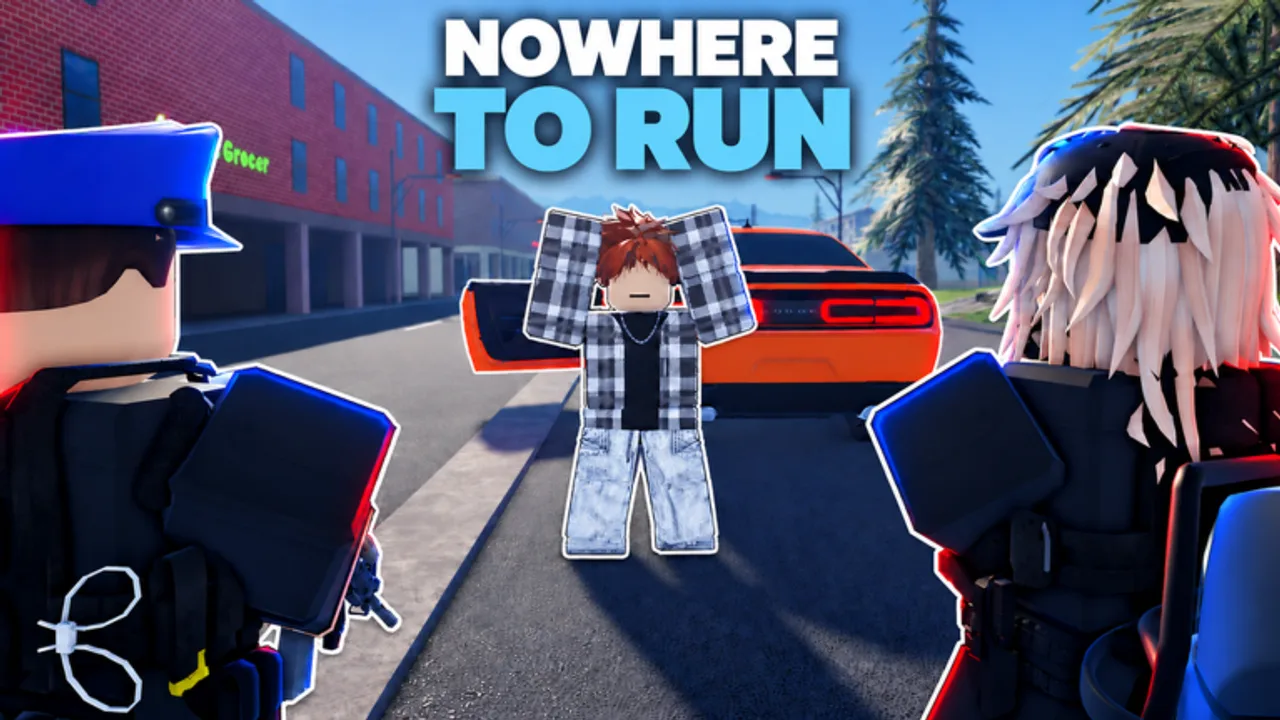
The MDT (Mobile Data Terminal) is the spine of policing in Code 3: Police Callouts. Black Sector Games markets the loop plainly: talk to every suspect, run their ID, check warrants on the MDT, and make the arrest. If you skip the computer, you guess. Guessing creates wrong cuffs, unfinished booking, and callouts that never credit XP on 15-player servers.
This guide is the deep dive on MDT craft. It sits beside How to Arrest (full custody pipeline), Traffic Stops (roadway classroom), Callouts (scene priority), and Getting Started (day-one menus). Read those for context; use this page when the return on screen is what you need to master.
What the MDT is for
Treat the MDT as three jobs in one panel:
- Identify the person in front of you.
- Evaluate warrants, flags, and callout context.
- Decide warn, cite, release, or arrest — then act.
It is not a flavor menu. Hand-built scenes (parties, traffic hazards, robberies, bomb threats, undercover stings) expect you to match the right person to the right outcome. Police, Sheriff, SWAT, and FBI all share that expectation even when their fleets and call mixes differ.
When to open the MDT
Open it after you have basic control and before irreversible custody:
- Driver stopped and talking on a traffic stop.
- Party fighter separated from the crowd.
- Robbery suspect disarmed or covered.
- Sting spring completed and bodies controlled.
Do not open MDT while you are still the only gun covering an open angle, while a bomb objective is burning, or while you are sprinting mid-pursuit with no cover. Stabilize first — Contact holds the person; Cover watches threats — then run ID. Scene roles are covered on Callouts.
Dialogue before data
The game wants conversation. Dialogue is not optional roleplay garnish:
- Start talk even when you “already know” they are guilty.
- Listen for names, stories, and contradictions you can verify on the MDT.
- Keep one Contact speaking; overlapping four officers confuses prompts and NPCs.
- Agitated subjects get short commands; cooperative ones get questions.
Talking feeds better ID checks. Silent cuff-first habits break designed branches and teach nothing for the next call.
Running ID the right way
Exact button labels can shift after Roblox client pulses (see Updates and November 2026), but the job stays fixed:
- Select or stand near the correct person — not the bystander two meters left.
- Open the MDT from the interaction / HUD entry your build shows.
- Run ID for that subject.
- Wait for the return; do not close early because chat got noisy.
- Read the result out loud to your squad (“clean,” “warrant,” “mismatch”).
- Only then choose warn / cite / arrest tools.
ID quality checklist
| Check | Why it matters |
|---|---|
| Right body selected | Wrong ID → wrong custody |
| Return finished loading | Partial reads cause bad calls |
| Matches callout context | Robbery shooter vs spectator |
| Shared in chat | Partners stop double-cuffing |
| Logged mentally before cuffs | Booking follows the decision |
On mobile or tablet, landscape mode and deliberate taps reduce fat-finger closes — deeper device tips live on Controls and Mobile Controls once those pages are live.
Reading warrants and flags
A warrant hit is the clearest path to custody. Still read carefully:
- Active warrant → plan arrest, cuff, transport, book (full steps on How to Arrest).
- Clean ID + minor roadway issue → warn or cite, then release.
- Clean ID + serious on-scene offense → you may still arrest; the MDT did not invent the robbery you just watched.
- Incomplete / failed ID → finish identification before long-haul detention when safety allows.
- Mismatch (wrong person near the prop) → release and refocus.
Warrants are not the only reason to detain, but they are the reason you should almost never skip the computer. Cite culture without MDT becomes random harassment; arrest culture without MDT becomes soft-locks.
Decision table after the return
| MDT + scene picture | Action |
|---|---|
| Clean, cooperative, minor | Warn or cite; release |
| Warrant confirmed | Arrest → cuff → transport → book |
| Violent felony in progress | Safety first, then ID/process survivors |
| Bystander / wrong target | Release; re-ID the real subject |
| Multiple subjects | Separate, ID each, track who is booked |
| Tied to wider callout | Finish scene objectives after custody |
Print this table into muscle memory. Most “the game ate my XP” stories are unfinished decisions, not missing RNG.
MDT inside each callout family
Traffic stops
Best classroom. Low noise, clear driver, obvious cite-versus-arrest fork. Drill three clean ID returns before you chase SWAT early access. Full roadway craft: Traffic Stops.
Street parties
Crowds lie with proximity. ID the fighters and wanted names — not everyone holding a drink. Separate subjects so returns do not blur.
Armed robberies
Control and Cover first. When talk is alive, run ID before mass cuffing. Match the shooter to the warrant/offense story so booking makes sense.
Bomb threats
MDT can wait if the device objective needs free hands. Do not drag a leisurely warrant novel into the hot zone; identify when the timer/objective allows.
Undercover stings
Spring the trap, control suddenly, then enter the same talk → MDT → cuff pipeline. Unmarked cars help the approach (see Vehicles and Unmarked Vehicles on Game Passes); the computer work afterward is identical.
Squad radio lines that keep MDT clean
- “Contact on A — opening MDT.”
- “ID clean — citing.”
- “Warrant on B — cuffing.”
- “Need Cover while I finish the return.”
- “Booked A — running ID on C.”
Short calls beat essays while someone still has a gun. On mixed Police / Sheriff / SWAT / FBI lobbies, say the unit only if it changes who should take Contact.
Common MDT mistakes
- Cuffing before talk or ID.
- Closing the panel mid-return.
- ID’ing the loudest NPC instead of the involved one.
- Arresting a clean cooperative driver “for RP.”
- Ignoring a second warrant because the first transport felt done.
- Letting four officers open MDT on the same body.
- Blaming patches for rusty habits — re-test UI after update pulses on Updates.
Practice plan (20 minutes)
- Minutes 0–5 — empty-lot menu discovery: find MDT open/close without a suspect.
- Minutes 5–12 — three traffic stops, talk + full ID, cite/release only.
- Minutes 12–18 — one warrant path through cuff and book.
- Minutes 18–20 — one party or low-threat callout with two IDs spoken in chat.
Redeem GUNZCUSTOMS and GARAGE from Codes so early cash is not left idle, then keep drilling MDT before you dump Robux into HyperCars or Explosive Rounds.
Progression angle
Clean MDT decisions feed the rank snowball: correct custody → completed callouts → XP and cash → armory unlocks across 30+ weapons and garage depth across 30+ vehicles. Passes like X2 cash, X2 exp, and Mobile Garage accelerate the same loop; they do not replace identification skill. Unit fantasy comparisons live on Units; the index for every walkthrough is Guides Hub.
When talk → ID → warrant read → decision is automatic, robberies feel like process instead of panic. That is the real unlock — not a new rifle skin.
Related reading
- How to Arrest — cuff, transport, book after the MDT says custody.
- Traffic Stops — roadway ID classroom.
- Callouts — when to delay MDT for scene priority.
- Getting Started / First Shift — where MDT fits day one.
- Rank Progression — why clean clears beat random force.
- Controls — platform habits for opening UI under stress.
Master the MDT and every other guide on this wiki gets easier, because you finally trust the return before you reach for cuffs.
Frequently Asked Questions
Quick answers for patrol, codes, units, and progression.
What does the MDT do in Code 3: Police Callouts?
The MDT lets you run ID and check warrants so you can decide warn, cite, or arrest. It is required for clean custody and callout completion.
Should I talk before opening the MDT?
Yes whenever safety allows. Dialogue gathers context and matches the game’s advertised loop: talk, run ID, check warrants, then arrest.
Do I arrest only when there is a warrant?
Warrants are the clearest custody signal, but serious on-scene offenses can still justify arrest. Minor cooperative issues are usually warn or cite.
Why did booking fail after I cuffed someone?
Often the wrong person was ID’d, the return was skipped, or booking/processing was never finished. Re-run ID discipline and complete the arrest pipeline.
Does every unit use the same MDT flow?
Yes. Police, Sheriff, SWAT, and FBI share identify-then-decide habits even when vehicles, weapons, and call mixes differ.